
"Santos coffee origin"
900 article(s) found

What kind of Brazilian Santos coffee beans do you have? the world famous brand of Brazilian Santos coffee.
Professional coffee knowledge exchange more coffee bean information please follow the coffee workshop (Wechat official account cafe_style) Brazil Santos varieties from South America Brazil is the world's number one coffee producer, accounting for about 30% of the world's total production. Almost all Santos coffee is produced in southeastern Brazil and is the best coffee in Brazil. Raw bean granules range from medium to large, but without green

A hermit in the coffee kingdom of Brazilian Santos coffee beans.
Origin: Brazilian grade: good granule: relatively full acidity: slight acid uniformity: stable roasting: low to deep flavor: neutral beans, low acid, smooth and round Brazil grows Arabica and Robusta coffee, but mainly Arabica coffee, mostly dried. There are about 3.97 billion coffee trees in Brazil, and the number of people engaged in coffee production is elder brother

Italian coffee brand CORSINI BRASIL SANTOS Brazilian coffee beans open bag appreciation
Professional barista communication please pay attention to the coffee workshop (Wechat official account cafe_style) Italy's well-known coffee brand CORSINI has a lot of different flavors and origin of coffee beans, we are going to open this bag of CORSINI BRASIL SANTOS Brazilian coffee beans, a little more than a pound, is 500g packaging, the name looks very long, but in fact BRASIL
Brazilian Santos Coffee Variety characteristics Flavor characteristics Brazilian Santos caffeic acid
Professional coffee knowledge exchange more coffee bean information Please follow the coffee workshop (Wechat official account cafe_style) varieties come from South America Brazil is the world's number one coffee producer, accounting for about 30% of the world's total production. Almost all Brazilian Santos coffee is produced in southeastern Brazil and is the best of Brazilian coffee. Raw bean granules can be found from medium to large, but without green, belonging to medium

Santos Coffee-bring you a fragrant feast of smell
At the beginning of the 19th century, coffee was grown all over the country, followed by a coffee boom that lasted nearly a century. Taste Santos coffee, not only drink it, but also smell it. Acidity (Acidity) coffee after the entrance, light left on the tip of the tongue taste. The sour word looks eye-catching, but in fact, the original taste and fresh vitality of coffee beans, like wine, are contained in its sour taste.

Brazil Santos Coffee Bean Region Topics Brazil Santos Coffee Flavor Properties
Professional coffee knowledge exchange More coffee bean information Please pay attention to Coffee Workshop (Weixin Official Accounts cafe_style) Brazil, one of the world's largest coffee producing and exporting countries that can be praised as coffee continent, accounting for about 1/3 of all world production. It is especially famous for Brazil Santos coffee, exported from Puerto Santos, São Paulo state, and the green beans are large and pale green

Brazilian Coffee Bean Brand recommends Brazilian Santos Yellow bourbon Coffee Variety Story Flavor
Professional coffee knowledge exchange more coffee bean information please follow the coffee workshop (Wechat official account cafe_style) as there are so many kinds of coffee in Brazil, you can't just use the word Brazilian coffee to include it. The vast majority of Brazilian coffee is unwashed and sun-dried and is classified according to the name of the state of origin and the port of transport. Brazil has 21 states and 17 states produce coffee, but

American Santos Coffee ushered in a New era of Coffee in China
Professional baristas Please pay attention to the Coffee Workshop (Wechat official account cafe_style) nowadays, with the society changing rapidly and the pace of life getting faster and faster, people have little time to sit in the coffee shop and enjoy a cup of delicious coffee. Santos Coffee from the United States came to China with the concept of street coffee to change this situation, so that every coffee lover can buy the taste easily and quickly.

A brief introduction to the Origin, Development, History and Culture of a wide variety of Brazilian Fine Coffee beans
There are many large farms in Brazil, which run endless coffee plantations. They use machines to harvest and dry them. They are so efficient in automation that they regard coffee as a general agricultural material and completely abandon the flavor and flavor. As a result, many select coffee companies simply do not sell Brazilian beans so as not to demean themselves. In select coffee shops, Santos in Brazil still appears occasionally.
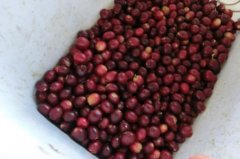
Half-sun Brazilian Fine Coffee Manor Queen Manor Yellow bourbon Coffee Origin, Development, History and Culture
There are many large farms in Brazil, which run endless coffee plantations. They use machines to harvest and dry them. They are so efficient in automation that they regard coffee as a general agricultural material and completely abandon the flavor and flavor. As a result, many select coffee companies simply do not sell Brazilian beans so as not to demean themselves. In select coffee shops, Santos in Brazil still appears occasionally.

Bitter Weak Clean Brazilian Fine Coffee Bean Origin Development History Culture Introduction
Brazil has many large farms, operating endless coffee plantations, they use machines to harvest, and use machines to dry, automated efficiency is very high, as if coffee as a general agricultural material, completely abandoned flavor and disregard. As a result, many specialty coffee companies simply do not sell Brazilian beans, lest they demean themselves. Brazil's Santos occasionally appears in select coffee shops

Brief introduction of Brazilian Coffee Bean Brand Brazilian Santos Coffee
Professional coffee knowledge exchange more coffee bean information please follow the coffee workshop (Wechat official account cafe_style) front street-Brazil Santos introduction to the world-famous coffee country, Brazil has a place, and Brazil's most famous coffee brand, Santos Coffee is a thunderous presence. Santos Coffee, produced in Sao Paulo, Brazil, is a kind of high acidity, not only can be used alone.

Brazilian Coffee Santos Brand Coffee Bean Flavor description characteristics of Grinding degree introduction to the taste of the producing area
Brazilian Coffee Santos Coffee Bean Flavor description grindability characteristics of the producing area introduce Brazilian Rio Coffee Coffee (Rio de Janeiro): named after the port of Rio de Janeiro. Compared with Santos coffee beans, the granules are relatively large and have a strong taste. They have an irritating bad smell on the tongue, called Rio Flavor, but after long-term storage, the irritation weakens, and the flavor becomes rich with aroma.

Flavor characteristics of Brazilian Santos Coffee washing Brazilian Santos caffeic acid? how does it taste?
Professional coffee knowledge exchange more coffee bean information please follow the coffee workshop (Wechat official account cafe_style) Brazil Santos coffee beans Brazil Santos Washed continent: South American coffee beans: BOURBON treatment: washing grade: NO.2 Brazil Santos flavor characteristics: a few Santos washed coffee, very low acidity, chocolate bitter and strong
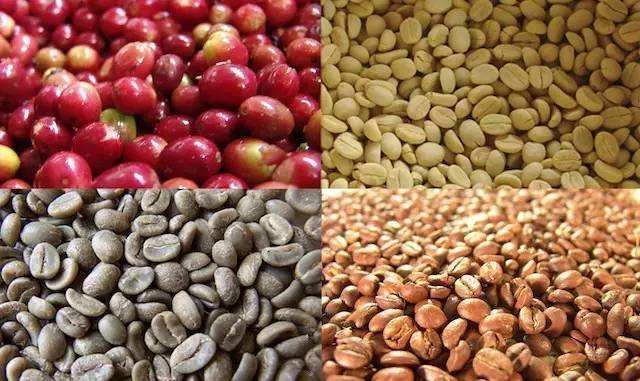
Coffee varieties in Santos, Brazil. Yield Red bourbon varieties Coffee beans Flavor characteristics Taste description
Pay close attention to coffee reviews (Weixin Official Accounts vdailycom ) and find a beautiful cafe to open its own small shop Brazilian coffee, which refers to coffee produced in Brazil. Brazilian coffee comes in many varieties, and like other Arabica coffees, Brazilian coffee is called Brazils to distinguish it from Milds coffee. The vast majority of Brazilian coffee is unwashed and dried, depending on the state of origin and port of shipment.
The origin of boutique coffee introduces Santos, Brazil.
Brazil is located in South America, about 15 degrees south latitude. Brazilian coffee culture began in 1727 and sprang up in the north of Brazil when a Mr. Francesco de MeloPalheta smuggled coffee seeds from France to Brazil. At that time, this was strongly opposed by the French who monopolize the coffee business today. Those seeds are the ancestors of more than 300 million Brazilian coffee trees today. In the early morning
Brazilian boutique coffee Brazilian Santos boutique coffee beans
★ Brazil Santos ★ comes from South America and Brazil is the world's number one coffee producer, accounting for about 30% of the world's total production. Almost all Santos coffee is produced in southeastern Brazil and is the best coffee in Brazil. Raw bean granules can be found from medium to large, but without green, they are neutral coffee. Brazil's "Vicky Gotti Manor" comes from Brazil's top boutique coffee estate "Fazenda\"
A hermit in the coffee kingdom of Brazil.
Origin: Brazilian grade: good granule: relatively full acidity: slight acid uniformity: stable roasting: low to deep flavor: neutral beans, low acid, smooth and round Brazil grows Arabica and Robusta coffee, but mainly Arabica coffee, mostly dried. There are about 3.97 billion coffee trees in Brazil, and the number of people engaged in coffee production is elder brother

A hermit in Brazil's boutique coffee kingdom.
Origin: Brazilian grade: good granule: relatively full acidity: slight acid uniformity: stable roasting: low to deep flavor: neutral beans, low acid, smooth and round Brazil grows Arabica and Robusta coffee, but mainly Arabica coffee, mostly dried. There are about 3.97 billion coffee trees in Brazil, and the number of people engaged in coffee production is elder brother

The difference between American Santos Coffee and Brazilian Santos Coffee how much is Santos coffee
Professional coffee knowledge exchange more coffee bean information Please pay attention to the coffee workshop (Wechat official account cafe_style) Brazil Santos Coffee (SANTOS) ~ ~ the crack in the middle is brown, because most of the local beans are treated in the sun. The coffee produced in Brazil is a neutral coffee bean. Its taste is flat and neutral. On the whole, it tastes soft, bitter and sour, and is not sour.